
• About Us
  • Contact Us
Account
GTB
  • Home
  • News
  • Premium
  • Business
  • Personal Finance
  • Lifestyle
    • Travel
    • Health
    • Retail/Fashion
  • Podcast
    • Business Chat
    • Retiring Richly
    • Sika Nkommo
  • Videos
  • Analysis/Features
No Result
View All Result
  • Home
  • News
  • Premium
  • Business
  • Personal Finance
  • Lifestyle
    • Travel
    • Health
    • Retail/Fashion
  • Podcast
    • Business Chat
    • Retiring Richly
    • Sika Nkommo
  • Videos
  • Analysis/Features
No Result
View All Result
Account
Ghana Talks Business
No Result
View All Result

Restructured VAT System, a Higher Cost for Ghanaian Businesses– Tax Expert

11/03/2019
Reading Time: 2 mins read
tax waiver on sanitary products
405
SHARES
Share on FacebookShare on TwitterShare on WhatsApp

Tax Consultant, Albert Tetteh-Entsie has stated that government’s decision to restructure the tax system in Ghana has increased the cost of doing business.

According to him, the restructuring was to revise the standard VAT rate from 15% to 12.5%. The Ghana Education Trust Fund GETFUND levy of 2.5% which was previously part of the actual standard rate has been isolated and has now been separated from the straight levy on taxable supply. The NHIL of 2.5% has also been made a straight levy on taxable supply

The latest restructuring means that the 5% GETFUND levy and NHIL levy are not allowed to be claimed as inputs and hence businesses are being forced to add it to their cost which is having a negative effect on their cost of production and service rendering.

Speaking in an exclusive interview with Ghanatalksbusiness.com, Albert Tetteh-Entsie advanced that the cascading effect of adding the 5% will automatically increase production, service cost because at the moment the 5% is being charged on any service and you can’t claim, which means it will eventually be added to sales.

Clarifying how the 5% GETFUND and NHIL levy which have been isolated from the standard VAT rate affect businesses, he highlighted that “before VAT will be charged to any income you need to put on your margins. So if a businessman is doing 5% margin, he needs to calculate the NHIL and the GETFUND on the cost to get a sub cost before VAT is calculated. This way this calculation is tax on tax though when it comes to the VAT law levies are not tax”.

In a related development, KPMG an international tax consulting firm, has identified eight different tax policies which are currently upsetting the smooth running of businesses in Ghana.

The policies include the decoupling of the GETFund and NHIL Levy from VAT, Luxury Vehicle Levy and the extension of National Fiscal Stabilisation Levy (NFSL).

Listen to the Audio Below

Previous Post

A Menzgold in London? Londoners lose £236m to ‘mis-selling’ scheme

Next Post

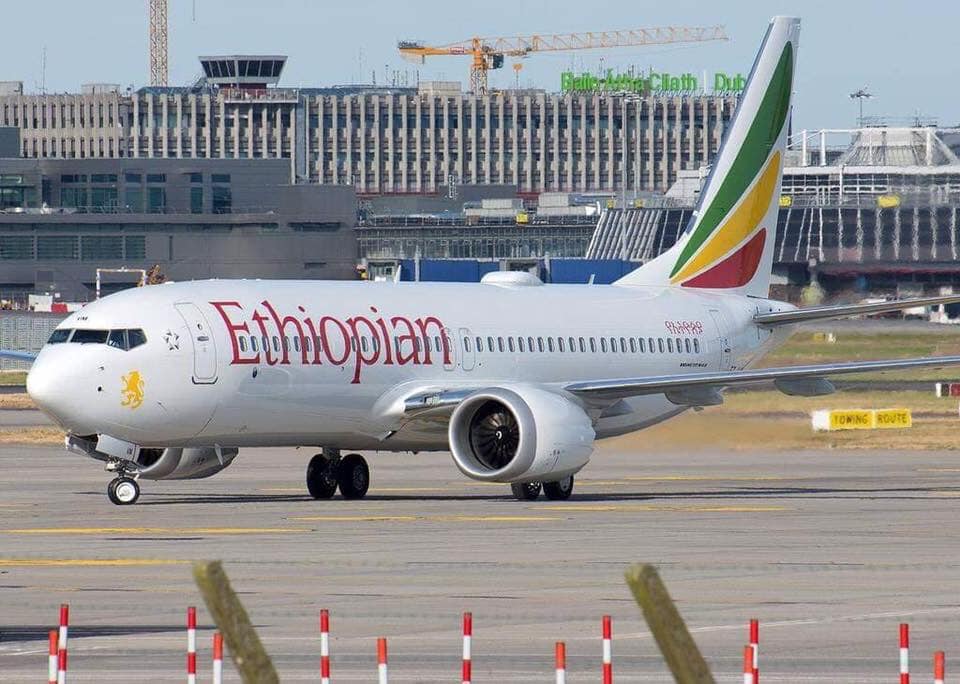
Ethiopia Joins China in Grounding Boeing 737 Max Jets After Crash

Related Posts

MostBet Registration Bangladesh

29/12/2023

28/12/2023

Праздничные подарки от 1 win насладитесь Новым Годом с дополнительными выгодами!

22/12/2023

How does the sizing of sp5der clothing run

22/12/2023

Azərbaycanda rəsmi sayt

20/12/2023

Mostbet Casino Azərbaycan üçün imkanlarını təqdim edir

20/12/2023
Next Post

Ethiopia Joins China in Grounding Boeing 737 Max Jets After Crash

mtn_ghana

MTN To Be Listed On The Nigerian Stock Exchange Before July 2019

  • About Us
  • Disclaimer
  • Privacy Policy
  • Advertising
  • Contact Us

© 2023 Ghana Talks Business

No Result
View All Result
  • Home
  • News
  • Premium
  • Business
  • Personal Finance
  • Lifestyle
    • Travel
    • Health
    • Retail/Fashion
  • Podcast
    • Business Chat
    • Retiring Richly
    • Sika Nkommo
  • Videos
  • Analysis/Features
  • Login

© 2023 Ghana Talks Business

Welcome Back!

Login to your account below

Forgotten Password?

Retrieve your password

Please enter your username or email address to reset your password.

Log In